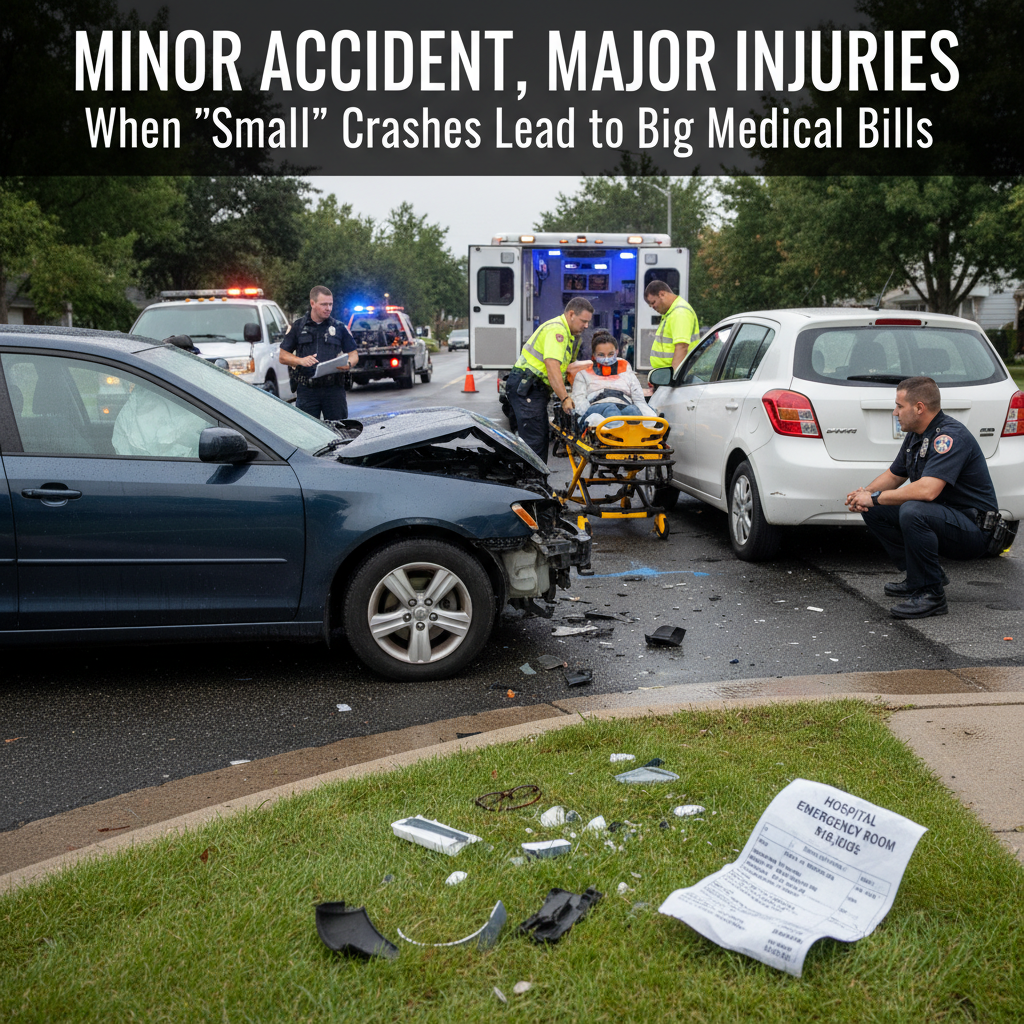
Your car has been damaged in an accident. The insurance company sends an adjuster, issues an estimate, and tells you what they're prepared to pay. That number is almost certainly too low—and there are categories of loss they're counting on you to never claim.
This guide gives you the technical and legal knowledge to properly assess your vehicle's damage, document it correctly, understand what you're owed beyond repair costs, and fight back when the insurance company undervalues your loss.
// 01 Damage Zone Breakdown
Not all vehicle damage is equal in complexity, cost, or safety implication. Understanding how insurers and body shops categorize damage helps you spot when estimates are incomplete.
Front-End / Fascia
Moderate Risk- Bumper cover, grille, headlamps
- Radiator, condenser, cooling fans
- Hood, fenders, latch assembly
- Sensors: radar, camera, ADAS
- Frame rails (structural if bent)
Structural / Frame
Critical- Unibody frame rails and pillars
- Floor pan distortion or crumple
- Firewall intrusion
- Apron/strut tower damage
- Measurement deviation > 3mm
Mechanical / Drivetrain
High Risk- Engine and transmission mounts
- Axles, CV joints, differentials
- Steering rack, tie rods, wheel alignment
- EV/Hybrid battery pack damage
- Fuel system compromise
Electronics & ADAS
High Risk- Airbag modules and clockspring
- Lane-keep / adaptive cruise sensors
- Parking sensors and backup cameras
- Infotainment and CAN bus damage
- Recalibration of all safety systems
Rear-End / Cargo Area
Moderate Risk- Rear bumper, tailgate, trunk lid
- Tail lights, backup sensors
- Rear frame rails and cross-member
- Fuel tank and exhaust system
- Trailer hitch and tow points
Paint, Glass & Interior
Surface Level- Paint overspray / blend mismatch
- Windshield, side, and rear glass
- Door panels and upholstery
- Headliner and pillar trim damage
- Personal property inside vehicle
⚠️ The Hidden Zone: ADAS Sensor Recalibration
Modern vehicles with lane-keep assist, adaptive cruise control, automatic emergency braking, and parking sensors require full ADAS recalibration after many types of repairs—even minor ones. This is routinely omitted from initial estimates. Recalibration alone can cost $300–$1,800 and requires specialized equipment. Always ask specifically whether the estimate includes full ADAS recalibration.
// 02 Interactive Damage Assessment
Use this tool to identify which damage categories apply to your vehicle. Check everything you can observe—the results help determine the scope of your claim.
// Vehicle Damage Assessment Tool
0 items checked// 03 Photo Documentation Protocol
Proper photographic documentation is the foundation of any vehicle damage claim. Insurance companies and body shops rely on photos to identify all damage, and poor documentation directly results in incomplete estimates. Take these photos at the scene before anything is moved—and supplement with additional photos at home in daylight.
📱 Pro Tip: Metadata Matters
Don't edit or filter your photos—the metadata (timestamp, GPS location) serves as evidence. Take photos with your phone's default camera app before using any third-party app. Email the original photos to yourself immediately so they're timestamped in your inbox as a secondary record.
// 04 Repair Cost Reference Guide
These are realistic market repair ranges based on 2025–2026 pricing. Actual costs vary by region, vehicle make/model, OEM vs. aftermarket parts, and labor rates. Use these to evaluate whether an insurance estimate is reasonable.
| Repair Type | Low End | High End | Common Variables |
|---|---|---|---|
| Bumper replacement (front or rear) | $800 | $2,500 | Painted vs. unpainted; sensor integration |
| Hood replacement | $900 | $3,500 | Aluminum vs. steel; OEM vs. aftermarket |
| Fender replacement | $400 | $2,200 | Bolt-on vs. welded; paint blending |
| Door replacement / repair | $500 | $4,500 | Window motor, wiring, structural reinforcement |
| Windshield replacement | $250 | $1,800 | Heated, HUD, rain sensor, ADAS recalibration |
| Frame / structural repair | $1,500 | $10,000+ | Severity, access, realignment equipment |
| Airbag replacement (per unit) | $1,000 | $4,500 | Module, clockspring, sensors, SRS system reset |
| ADAS sensor recalibration | $300 | $1,800 | Number of systems; static vs. dynamic calibration |
| EV battery inspection / repair | $1,500 | $25,000+ | Pack damage vs. module damage; brand |
| Wheel alignment (post-accident) | $150 | $600 | 2WD vs. 4WD; suspension damage extent |
| Paint blend (adjacent panels) | $200 | $800 per panel | Metallic, pearl, or custom colors cost more |
| Rental car during repairs | $35/day | $85/day | Comparable class vehicle; repair shop delays |
🚨 Aftermarket Parts: Know Your Rights
Insurance companies frequently specify aftermarket (non-OEM) parts to reduce repair costs. In many states, you have the right to demand OEM parts—especially for vehicles under warranty or less than 5 years old. Using non-OEM parts can void manufacturer warranties and further reduce your vehicle's value. Always negotiate for OEM parts on newer vehicles.
Insurance Estimate Seems Low?
Get a free review to find out if your vehicle damage claim is being undervalued.
Request Free Review →// 05 Total Loss: The Rules That Determine Your Car's Fate
When Is a Vehicle Declared a Total Loss?
A vehicle is declared a "total loss" when repair costs exceed a threshold percentage of the vehicle's Actual Cash Value (ACV). This threshold varies by state and insurer. Once declared a total loss, the insurer pays you the ACV minus your deductible—and takes the salvage title.
The critical problem: insurers routinely understate ACV to minimize their payout. And their "total loss" declaration may come when repairing would actually benefit you more—if, for example, the vehicle has high sentimental value, custom modifications, or you're upside-down on your loan.
Disputing a Total Loss Valuation
When an insurer declares a total loss and offers you ACV, that offer is almost always negotiable. Effective dispute strategies include:
- Independent appraisal: Hire a certified vehicle appraiser to establish a competing ACV. Many policies require the insurer to accept binding appraisal.
- Comparable sales evidence: Pull real listings for the same make, model, year, trim, and mileage in your geographic market. Listings from Autotrader, Cars.com, and CarGurus showing higher prices are legitimate comparable evidence.
- Document pre-accident condition: Recent receipts for new tires, brakes, battery, or other upgrades. Service records showing consistent maintenance. Dealer inspection reports.
- Challenge the mileage adjustment: Insurers often apply aggressive mileage penalty deductions. If your mileage is lower than average, document it.
- Gap coverage: If you owe more on your loan than ACV, gap insurance (or the at-fault driver's insurer) may cover the difference. Review your policy.
// 06 Diminished Value: The Loss No One Talks About
Your car has been repaired perfectly. The paint matches. The panels align. But run a CarFax report and it shows an accident history—and that history will follow the vehicle for its entire life, suppressing its trade-in and private sale value for every future transaction.
Diminished value is the difference between your car's pre-accident market value and its post-accident market value, even after perfect repairs. It's fully compensable from the at-fault driver's insurer in most states—and it's almost never volunteered.
The 17c formula above is used by many insurers as a starting point—but it systematically underestimates real market impact. A professional certified appraiser using actual comparable sales data will typically produce a higher, more defensible number. Always get an independent appraisal before accepting any diminished value offer.
// 07 Hidden Damage Types Often Missed in Estimates
⚠️ Supplement Claims Are Normal—and Necessary
Initial insurance estimates are written based on visible damage. Once the vehicle is disassembled in the shop, hidden damage is routinely discovered. Supplement claims—additional approved repairs beyond the initial estimate—are standard practice and completely legitimate. Do not let an insurer pressure you to sign a release until all supplemental damage is identified and approved.
The most frequently overlooked damage categories in initial estimates:
Paint overspray and blend failure. Properly repainting a damaged panel requires blending into adjacent panels so the repair is invisible. Budget estimates often skip the blend—leaving a visible paint mismatch that reduces value and requires future correction.
Structural foam and sound deadening. Modern vehicles use foam-filled structural members for rigidity. Damage to these areas often requires replacement of components insurers try to repair instead, and the foam itself is rarely replaced correctly.
Seat belt pre-tensioners. In any significant impact, seat belt pre-tensioners may have fired—locking the belt. These are single-use safety devices that must be replaced after deployment. Routinely omitted from estimates.
Suspension geometry damage. Even minor impacts can shift suspension geometry beyond what standard alignment can correct—causing uneven tire wear, pulling, and long-term handling issues. A post-repair alignment measurement is essential, and if geometry can't be corrected, steering/suspension components must be replaced.
Hidden corrosion exposure. Impact damage that breaches paint and primer in hidden areas creates future corrosion risk. Proper repair includes treating all exposed metal. Shortcuts here cause rust problems months or years later.
Wiring harness damage. Wiring routed through impact zones is easily damaged but expensive to diagnose and repair. Symptoms may not appear immediately—intermittent electrical gremlins emerging months after repair are often traceable to accident-damaged wiring.
// 08 Fighting the Insurance Estimate
When an insurance estimate seems inadequate, you have several tools to push back:
Get a second estimate from your own shop. You are not required to use the insurer's "preferred" shop. Take your vehicle to a reputable independent body shop and get a competing estimate. If it's significantly higher, submit it to the insurer and demand they reconcile the difference.
Request the line-item estimate. Ask for a detailed, line-by-line breakdown of the estimate—every part, every labor hour. Vague lump-sum estimates hide assumptions. Line items are auditable and arguable.
Document the insurer's "preferred shop" pressure. Many insurers steer you toward DRP (Direct Repair Program) shops that prioritize the insurer's cost over your repair quality. You have the right to use any licensed shop. In some states, steering you away from your chosen shop is illegal.
File a state insurance complaint if warranted. Every state has an insurance commissioner's office. If an insurer is acting in bad faith—unreasonably delaying, denying valid claims, or using lowball tactics—a formal complaint can prompt investigation and resolution.
Invoke your policy's appraisal clause. Many insurance policies include an appraisal clause allowing either party to demand binding appraisal by independent appraisers with a neutral umpire for disputes. This is a powerful, low-cost alternative to litigation.
"The most important thing I tell clients about vehicle damage is this: the initial estimate is a negotiating position, not a final number. Every single line can be challenged, supplemented, or rejected. Your job is to document everything, get independent opinions, and never sign a release until you're confident every item of damage has been identified and approved."
— Marcus Hill, Certified Vehicle Appraiser & Former Insurance Adjuster// 09 When Vehicle Damage Becomes a Legal Matter
Most vehicle damage claims resolve through direct insurance negotiation. But several situations warrant legal involvement:
- Total loss disputes: When the insurer's ACV valuation is clearly below market and appraisal clause negotiations fail, an attorney can pursue bad-faith claims.
- Diminished value denials: Some insurers flatly deny first-party diminished value claims even where legally required. An attorney's demand letter often resolves this quickly.
- Gap between loan balance and ACV: When a total loss payout doesn't cover your outstanding loan and you lack gap insurance, a personal injury attorney can sometimes find additional avenues for recovery.
- Specialty, antique, or modified vehicles: Standard ACV formulas systematically undervalue custom, classic, or modified vehicles. Legal and appraisal support is essential here.
- Personal property inside the vehicle: Laptops, cameras, child car seats, and other personal property damaged in the accident are separately compensable. Insurers routinely deny or minimize these claims.
✓ The Bottom Line on Vehicle Damage
Your vehicle damage claim encompasses more than what the adjuster puts in the initial estimate. Repair costs, rental car, diminished value, personal property, and in some cases legal fees are all potentially recoverable. Document everything, get independent appraisals, challenge every line item that seems wrong, and don't sign a release until you're confident you've accounted for every dollar of loss.